
But here’s where our current system breaks down spectacularly: When 75% of profits are extracted for shareholders through dividends, buybacks, and executive compensation, we essentially throw sand into these gears. This massive value extraction acts like a brake, dramatically slowing the entire system. A single impact cycle that should take 2 years now requires 6 years to complete.
This delay creates a perverse justification for even more short-term thinking. Investors point to the extended timeline for impact returns as proof that stakeholder investments “don’t pay off.” Of course they don’t – the system is being strangled by value extraction! It’s like removing three-quarters of an engine’s horsepower and then complaining that the vehicle drives too slowly or can’t climb hills.
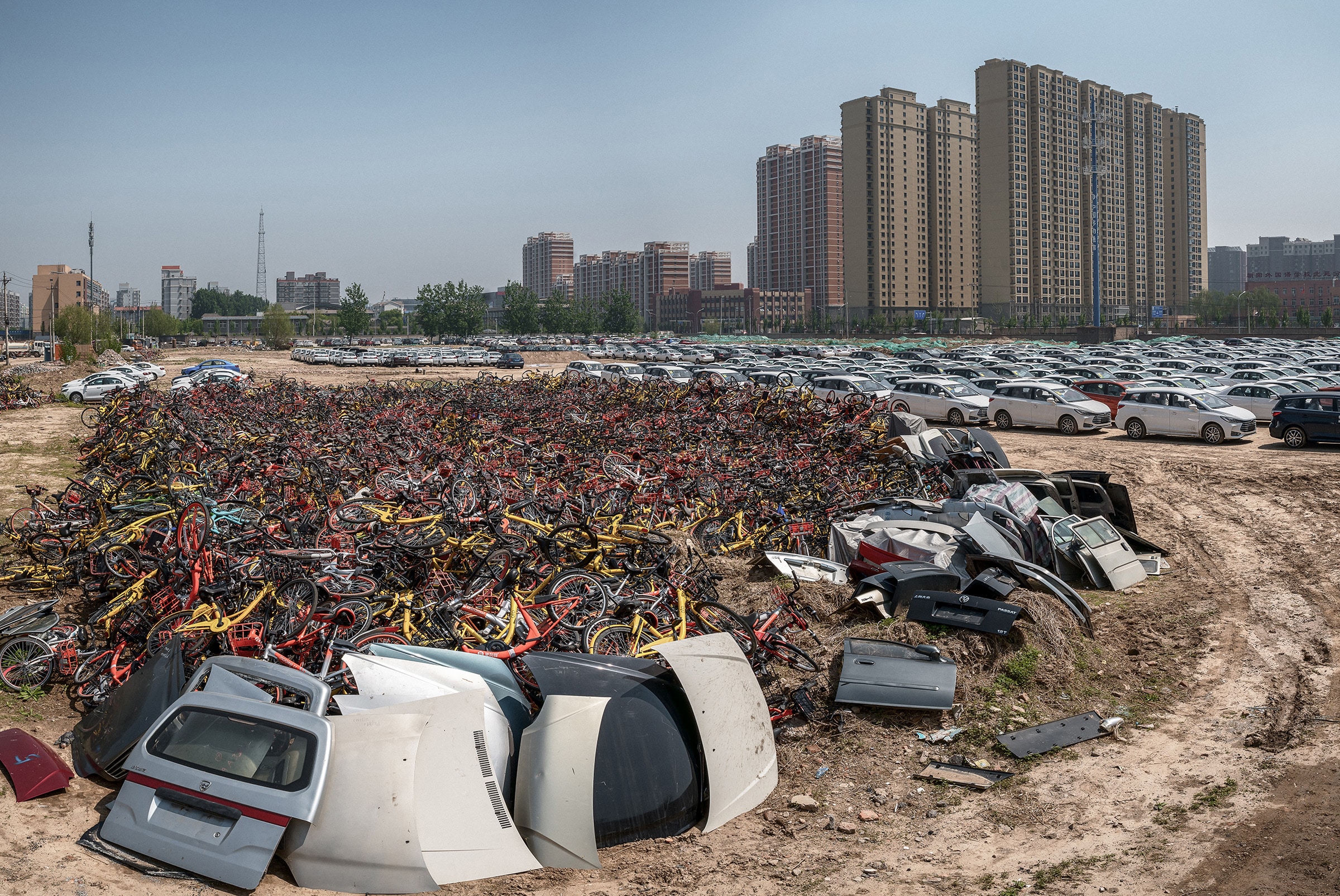
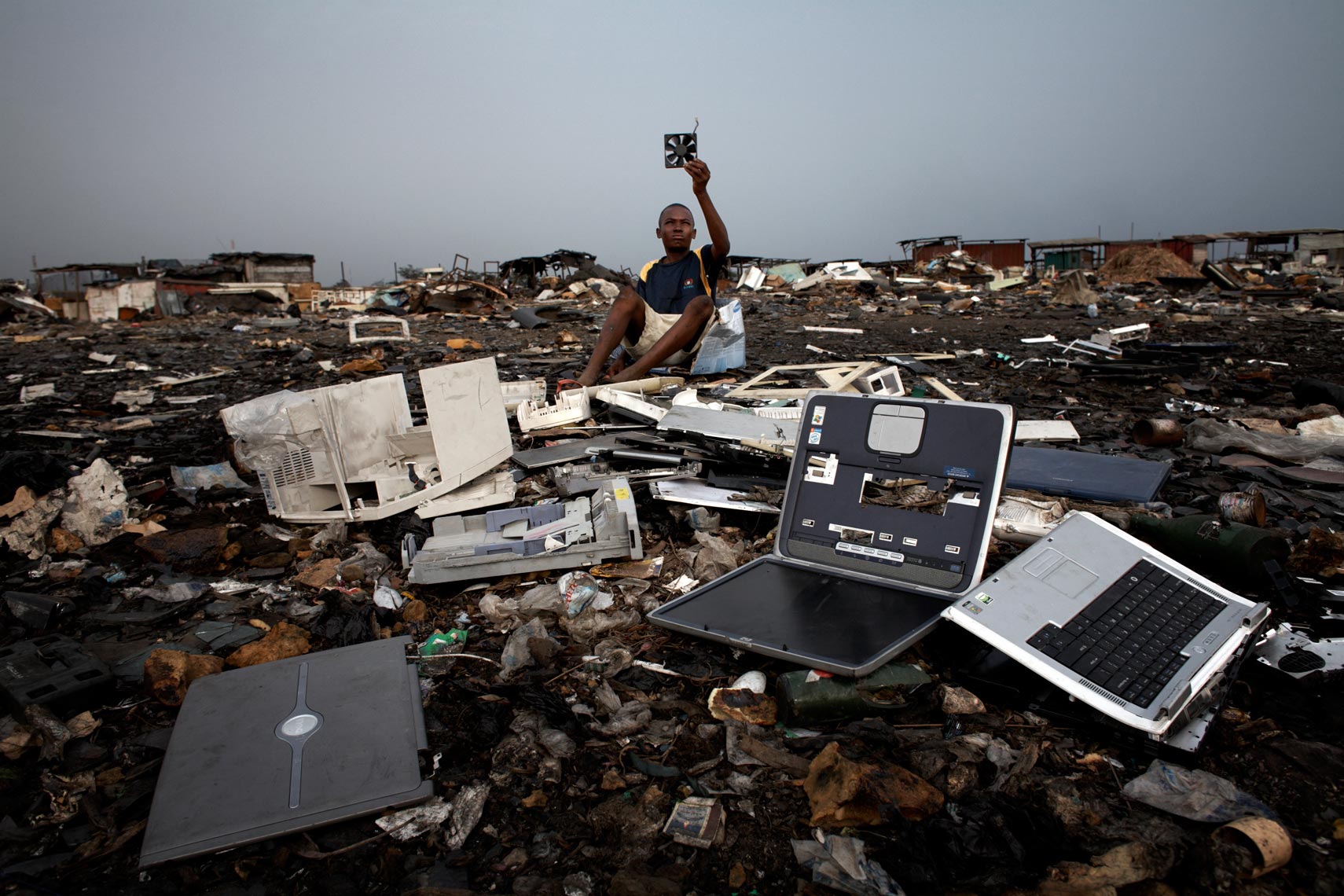
The consequences are all around us: deteriorating ecosystems, widening social divides, mountains of waste, and accelerating climate change. While corporations trumpet their commitment to sustainability and social responsibility, their actions tell a different story. The bare minimum becomes the maximum effort when quarterly profits take precedence over all else.
As Edward Abbey pointedly observed, “Growth for the sake of growth is the ideology of a cancer cell.” And that’s exactly what we’re witnessing – a cancerous form of capitalism that devours its host system. Our obsession with shareholder returns is quite literally killing the business ecosystems that generate those returns.
The solution demands more than incremental change. We must fundamentally reshape how we think about business value and success. The era of treating corporations as profit extraction machines for shareholders must end. Our survival depends on recognizing that businesses are part of a larger, interconnected system that requires nurturing, not plundering.
The choice is stark: we can continue this destructive cycle until it inevitably collapses, or we can embrace a regenerative model that balances profit with purpose. The mechanics are clear. The consequences are evident. The time for change is now.